Instagram, Effort, and Miami Charter Fishing
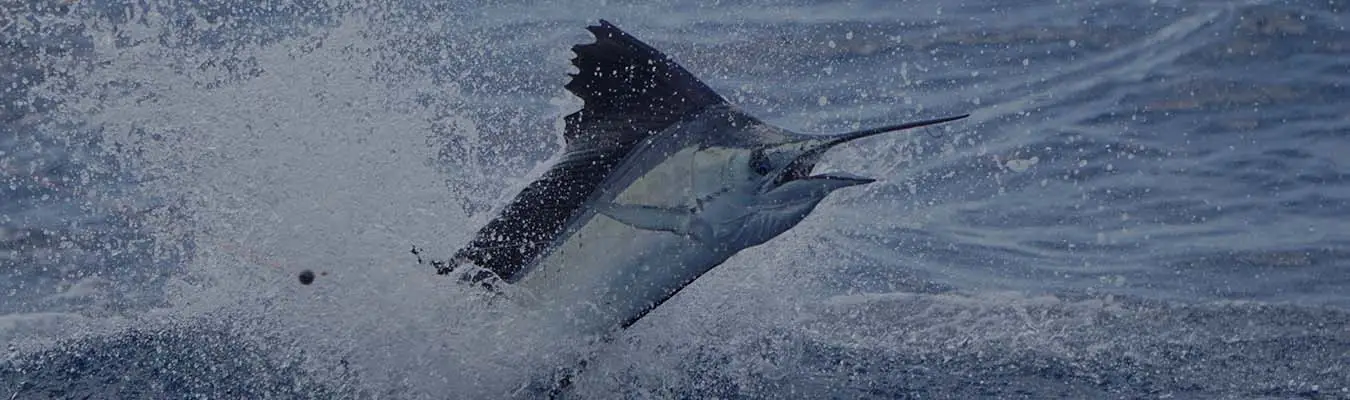
The first time I saw an underwater video of a blue marlin chasing a dredge on Instagram, I was pretty impressed. Sick content, I thought. Soon after, I might have seen a Goliath grouper eat a bait on the surface caught with a handline. Cool stuff. I have watched a thousand of those videos since, and the honest truth is I don’t feel much when I see them anymore. That’s not the fish’s fault. That’s the reality of watching anything at volume. We are all exposed to more fishing content in a week than our fathers saw in a lifetime, and pretending that doesn’t move the bar is a lie.
I have watched this happen in every hobby I have ever picked up. When I got back into surfing, it took about three days before my feed was hijacked. Same thing when I picked up tennis. No matter what you do, the algorithm will find you. The courses will slowly creep into your feed, and before you know it you are buying a bunch of random stuff. During that process, your concept of a normal day is slowly rewritten by people whose job is to make their days look better than yours. Fishing is no different, and Instagram inflation is real.
The mechanism is simple. South Florida has tens of thousands of anglers on the water on any given day. The fishing off Miami might be awful, but sixty miles away somebody is going to catch something. Some days the bite might suck in the Keys but be great off Miami. On a calm fall day, there may be a bunch of people swordfishing without bites, but someone off Jupiter may catch a 500-pounder and someone off Islamorada might catch three rats. If you quantify the number of rods in the water on any given day, someone — or quite a few people — are going to catch something cool. You can pretty much guarantee that fish ends up on Instagram.
Slow days of fishing are mysteriously absent from Instagram. People rarely post that they are going swordfishing. Nobody films the run out. Nobody shows the four drops that produced nothing. Nobody shows the three-trip streak where they had two bites and lost one fish across fifteen drops. You only ever see the fish on the deck, and there is a reason for that. Swordfishing is the most boring fishing in the world right up until it is the most exciting, and the boring part is the part nobody wants to be associated with. So we all collectively edit it out. The result is a fishery that looks, from the outside, like every trip ends with a 300-pound fish in the cockpit. The actual numbers are closer to one bite per six drops, with no guarantee you’ll get the fish in the boat.
Take sailfish as another example. Most private boats won’t even fish if they know the bite will suck — no current, for instance. Recreational fishermen wait until they see ideal conditions and decide it’s worth going. We don’t fault them for it; if we weren’t fishing every day, we would be selective too. That said, there is bias in when people fish and what they decide to post. Multiply that selection bias across an entire region of anglers, run it for a few years, and what gets posted stops being a sample of reality. Every operator’s best day eventually stacks on top of every other operator’s best day, and that gets presented as the baseline.
What people miss is that Instagram inflation eventually produces real-life inflation. If someone has a double-digit sailfish day and posts it, ten more boats will fish the same area the next day. If someone discovers a new fishery — think the Dominican Republic FAD bite from 2010 to 2015 — somebody eventually talks. With social media, somebody eventually posts. The next season there are more boats and more posts. The season after that, more. The only places left that are insulated from this are the most remote places on Earth, and even they won’t stay safe forever from well-capitalized operations.
In a local context, we are a charter boat off Miami. We have one day to work with. We can’t fly the boat to the Dominican Republic for a half day of marlin fishing. We work with what shows up — the conditions we have, the fish that are in front of us, and the day the customer booked. The conditions change a lot day to day, and we have days that are just objectively tough. That is the part of the business that doesn’t make Instagram either.
I’m not going to say the fishing always sucks or that it used to be better. The fishing can be great. People should be excited. Customers should get on the boat expecting to catch fish, and it is our job to take the conditions we are handed and work as hard as we can with them. What I do believe has been lost a bit is the perspective that fishing is a hunt, and part of the enjoyment can be the wait. If you have a good crew, a good attitude, and some patience, good things will happen.
Another important point is that most of our clients are very understanding on slower days of fishing. That said, you can’t avoid situations where people develop a negative thought pattern, partly because of inflated expectations. Caught fish equals good day. Didn’t catch fish equals bad day. Bad day equals bad boat and wasted money. I understand the impulse — results are the easiest thing to measure. But results alone are not the only thing to judge a charter operation on, because there are variables we truly can’t always control. A boat with a mediocre crew, a tired program, and a spread rigged yesterday can get on a school of mahi and look like heroes. A boat doing everything right can run all day on conditions that just don’t break and look like they failed. Over enough trips it averages out. On a single trip, it may not. It’s best to maintain that perspective if possible.
One honest metric is effort and communication. If you get on our boat, you are going to see a captain working. You are going to see a mate communicating constantly, watching baits, watching the spread, never sitting down. You are going to see the boat moving — from spot to spot, off a bite that died, onto a current edge, onto something showing on the sounder. You are going to see rigs that were tied this week. You are going to see a livewell full of bait we caught ourselves. You are going to see a platform that was actually built to fish, not a sport boat dressed up for the part. Watch the crew. Watch how often they look at the water versus how often they look at their phones. That can tell you a lot.
There are days we are going to get outfished by boats whose effort I would not put up against ours. That’s the fishery. Somebody is always going to get lucky, and on a one-trip sample size, lucky is hard to argue with. There are people online who, on the right day, catch a lot more fish than we do. I guarantee they would struggle to keep up with our consistency on a daily basis. We fish 300 trips a year, year after year, in whatever conditions the day hands us — that’s a different game than the one being played on the feed.
We know results matter. We also know effort correlates with results over time, and over time we catch a lot of fish in a lot of conditions because of how hard we fish and what we know. Social media puts a lot of pressure on people to always look perfect, and it’s easy to forget that we fish to relax and enjoy ourselves. Next time you’re out there, enjoy the ride. If you’re on our boat, relax — we’ll do the work for you.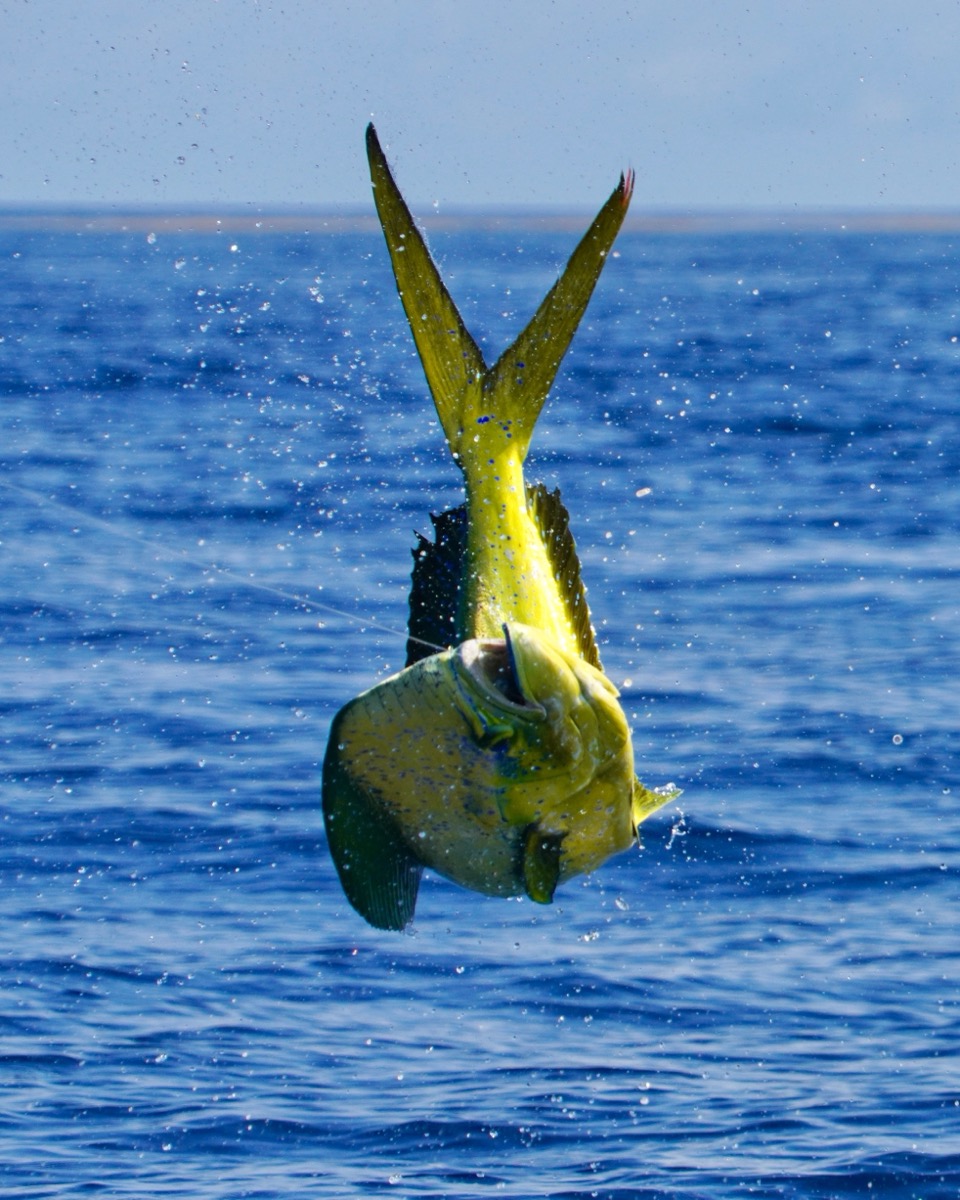
‹ Back







Comments