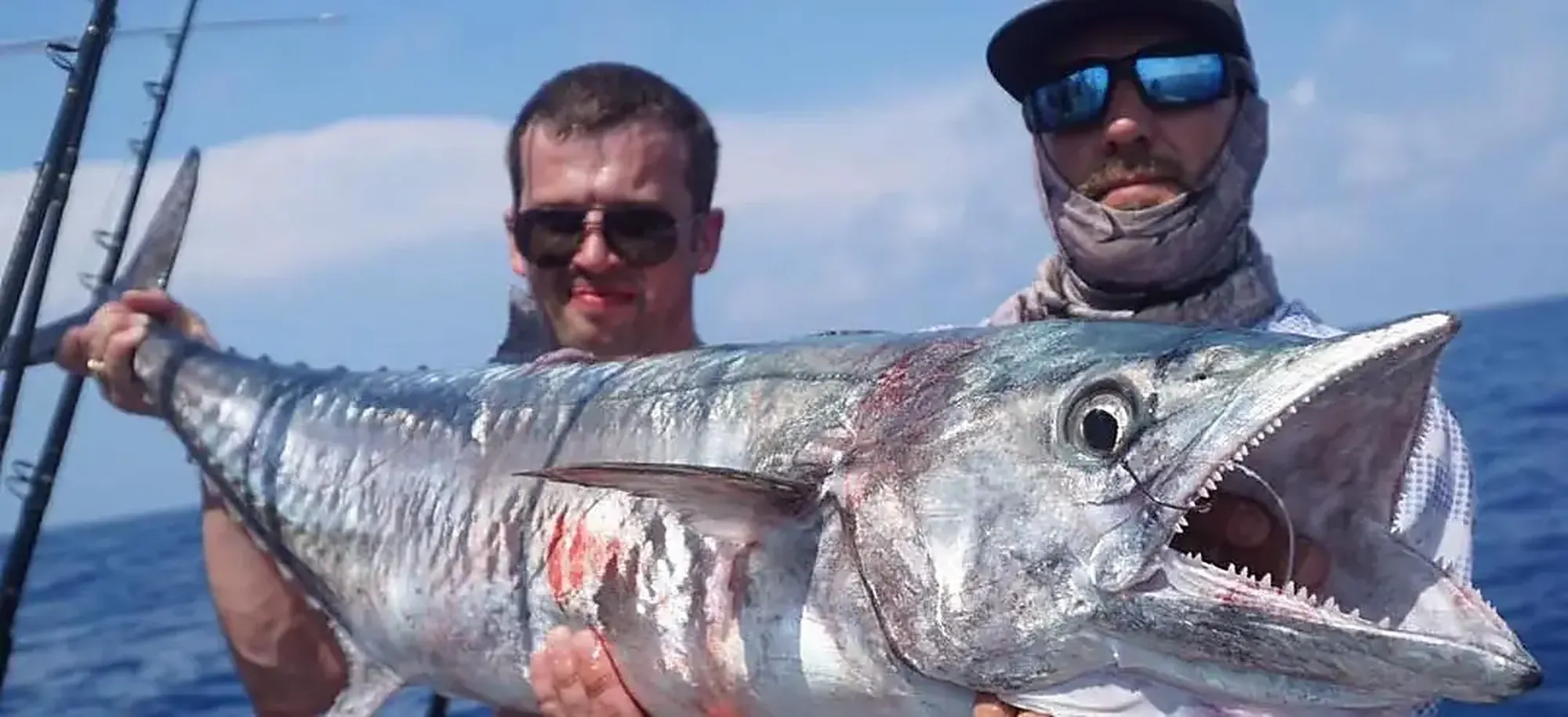
Kingfish Charters in Miami, Florida
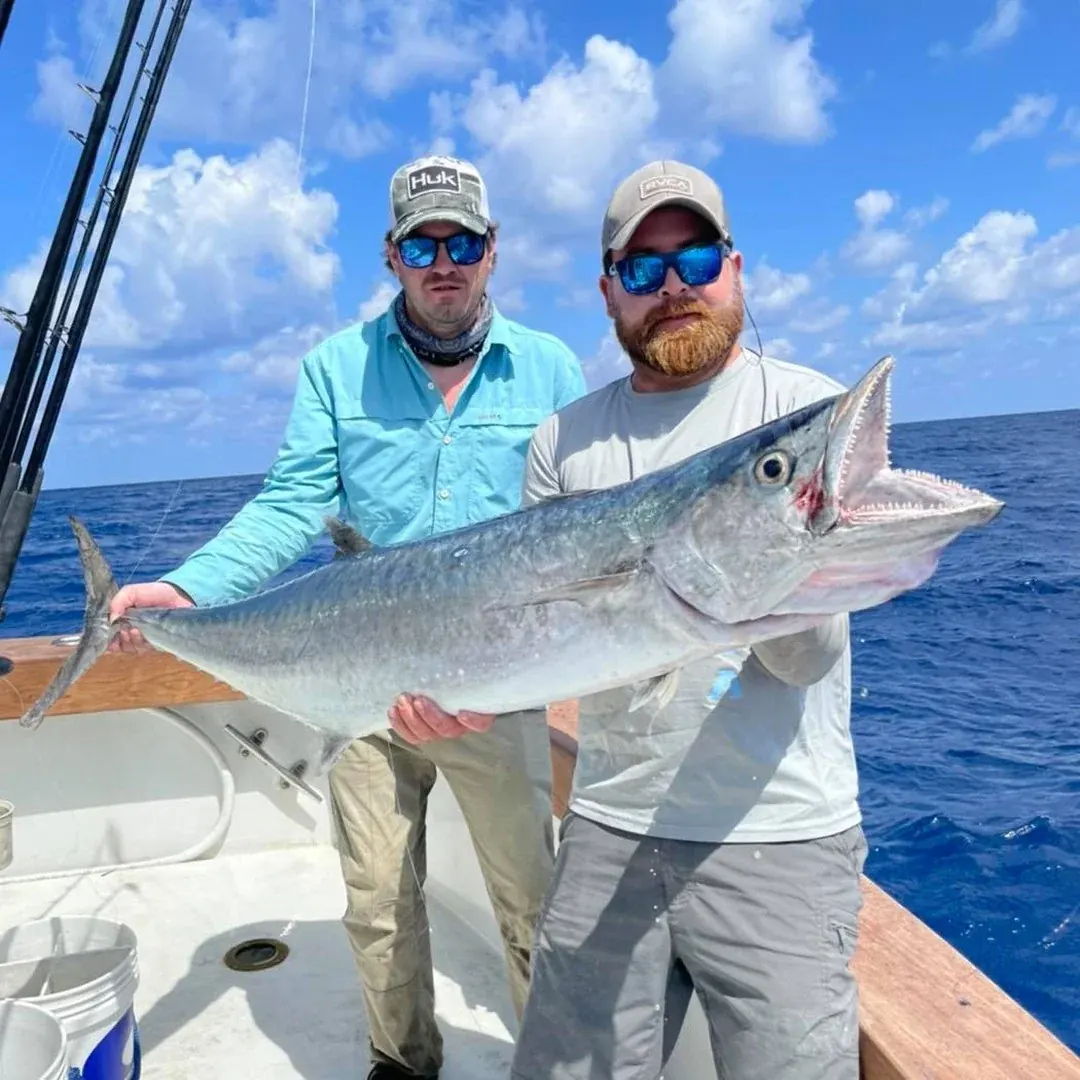
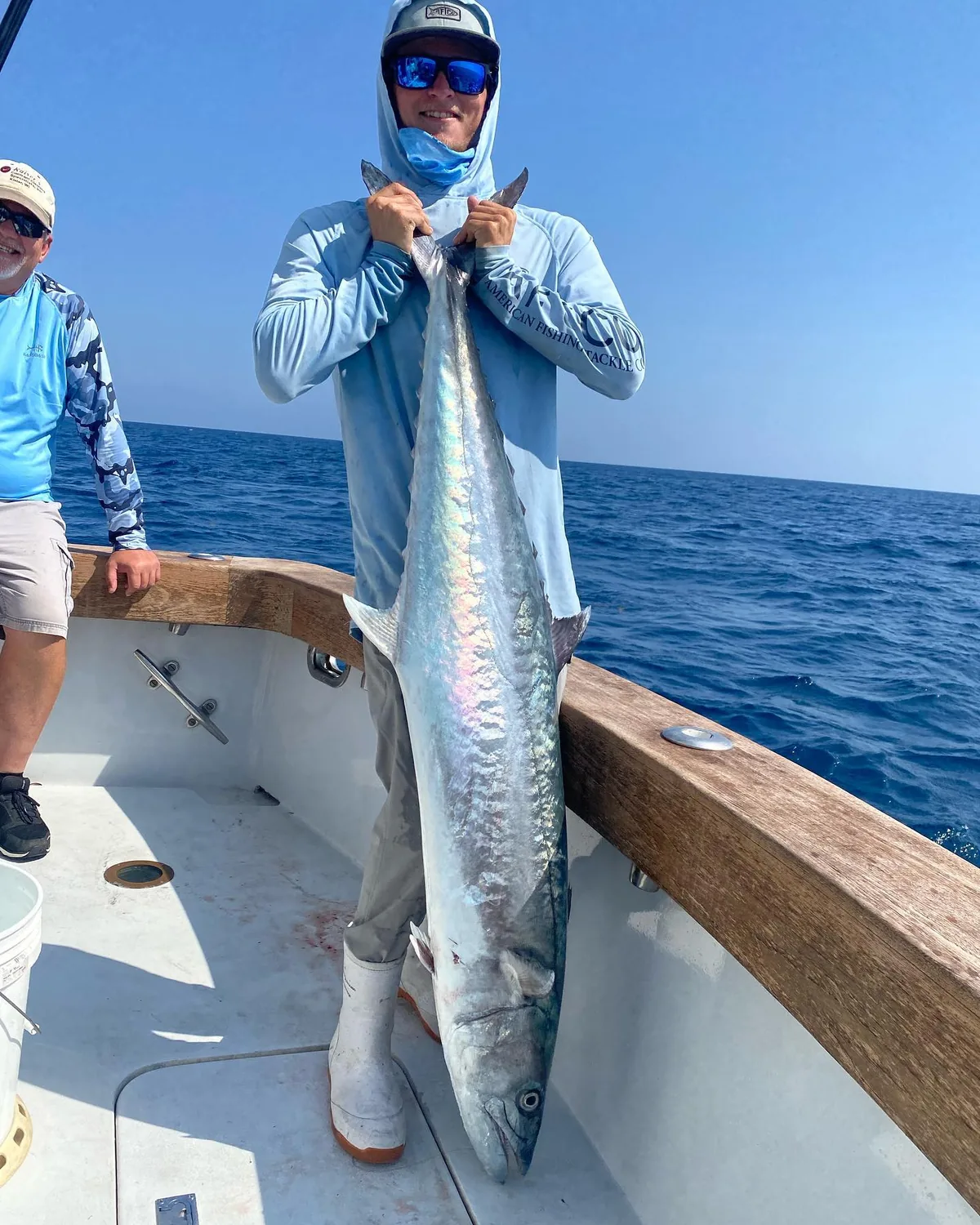
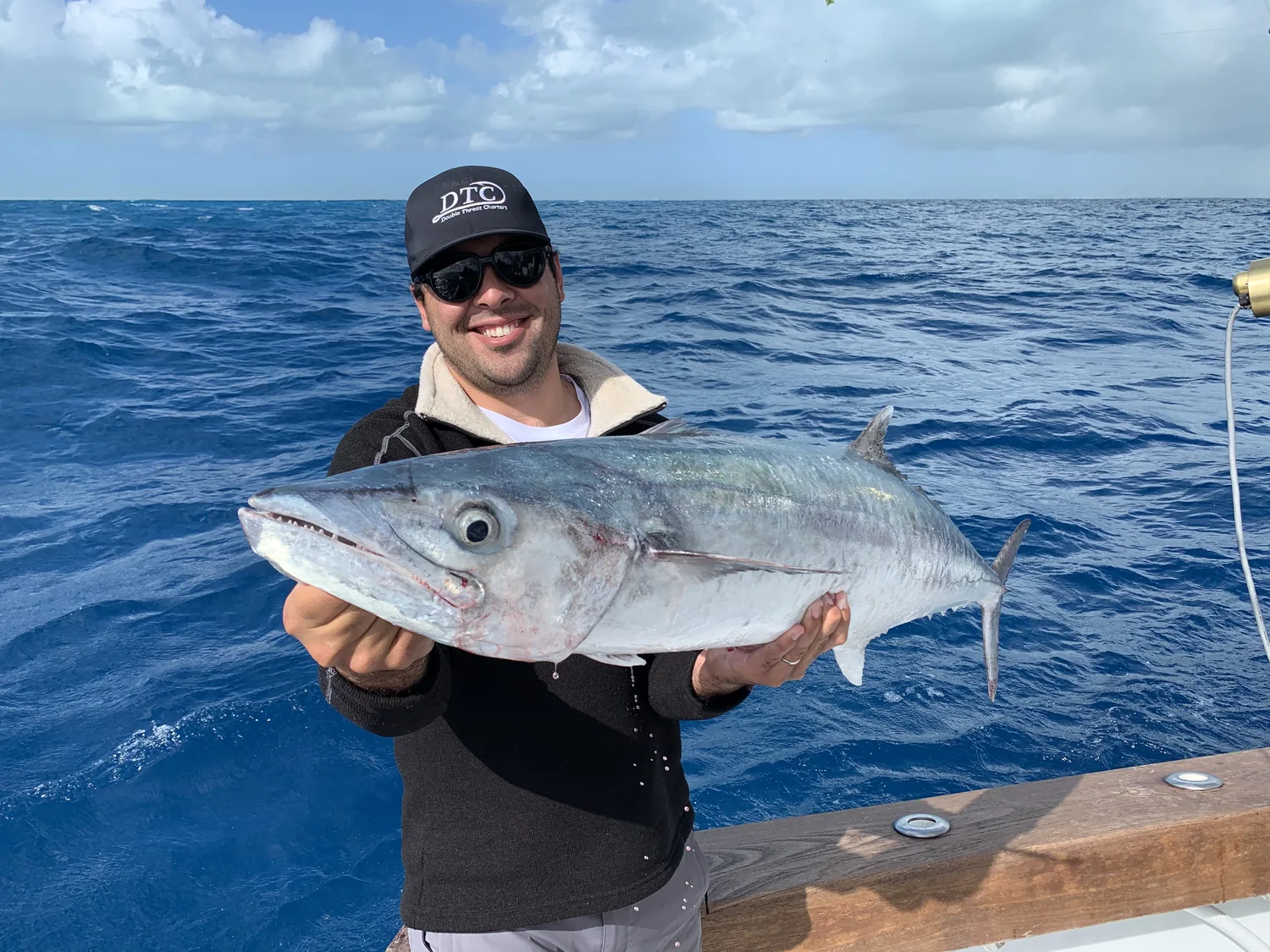
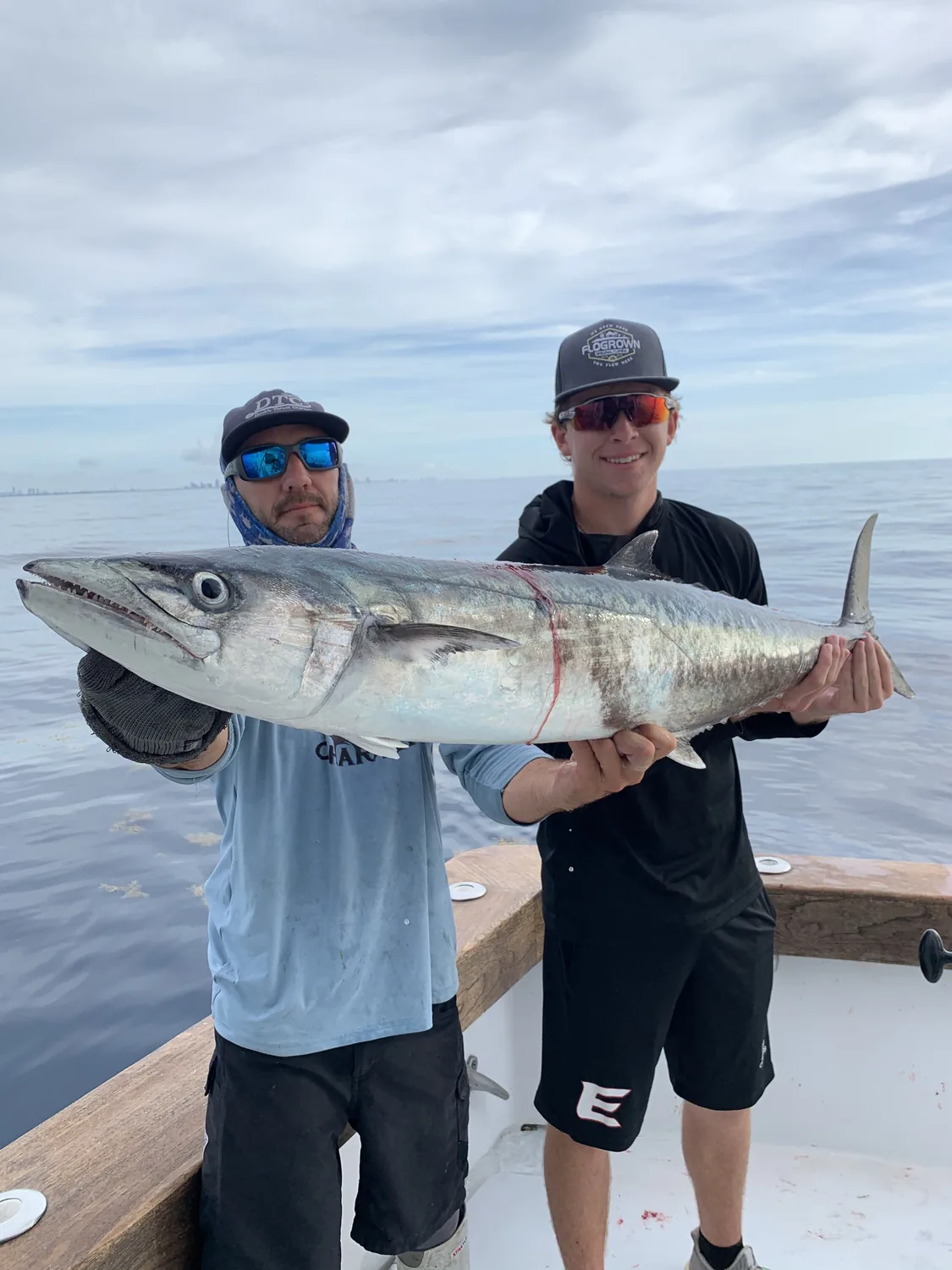
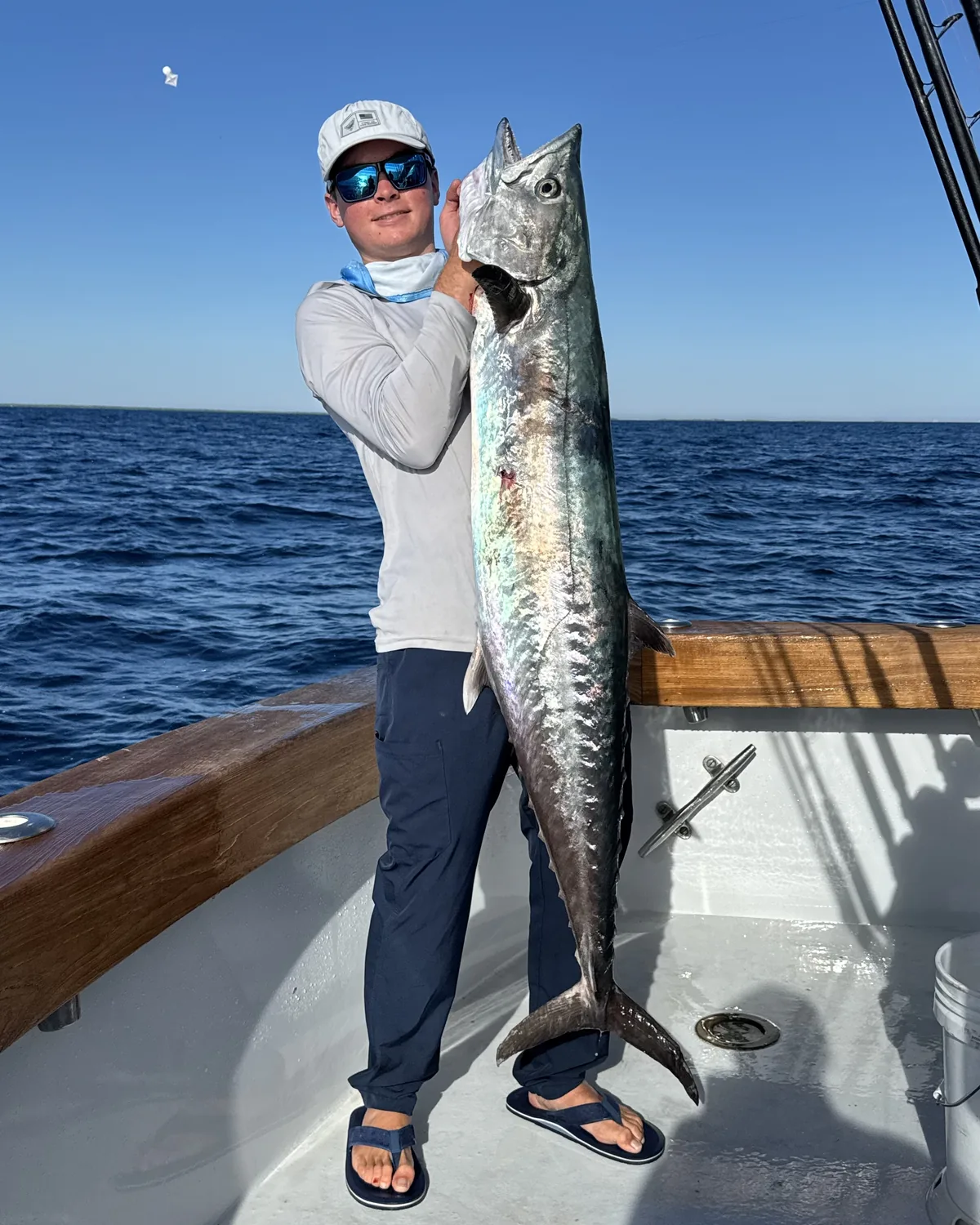
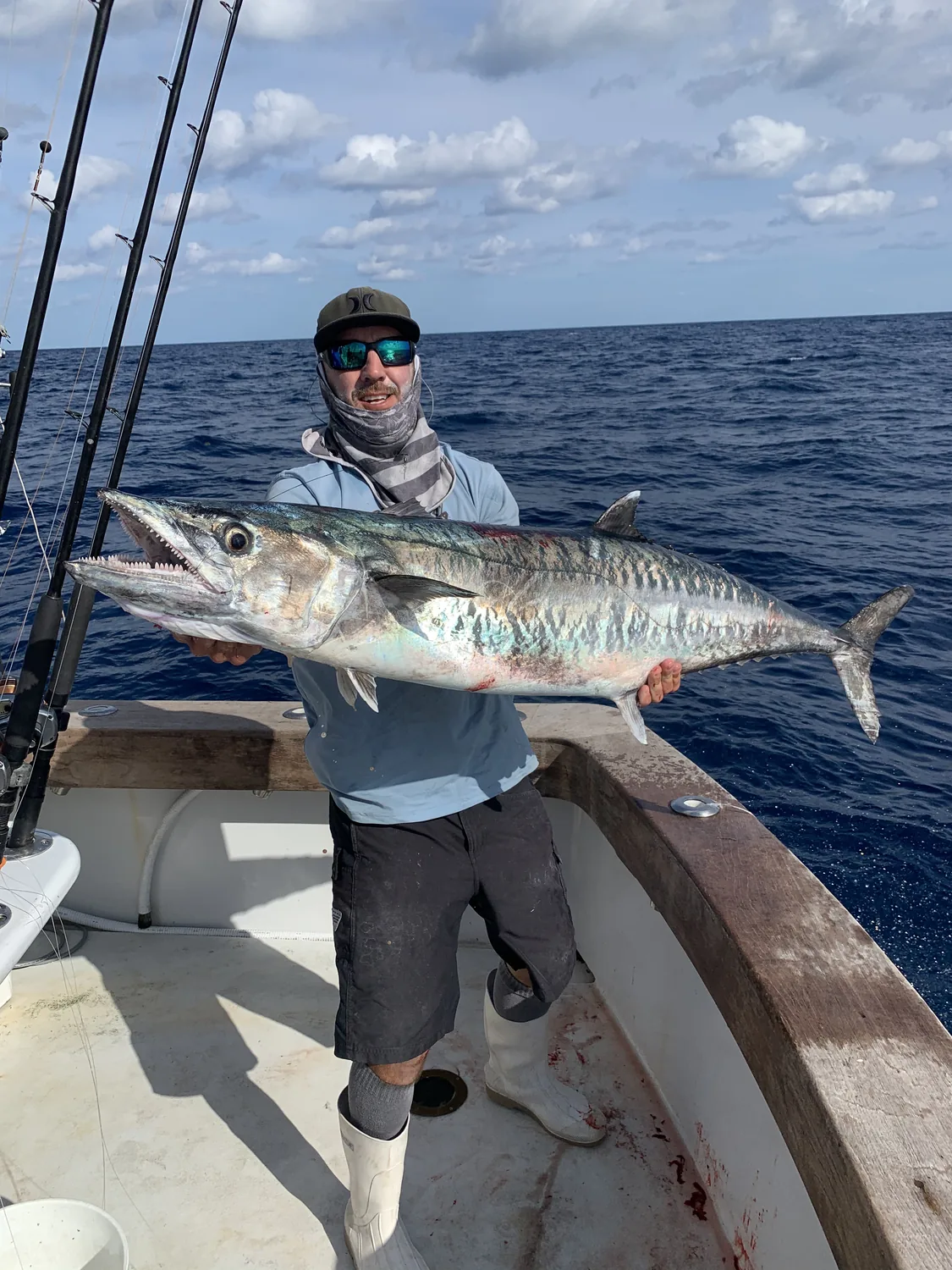
Kingfish, or king mackerel, are grey and silver with dark backs, coloring that blends into the dirtier water they hunt close to the reef. Their build is a long, slender mackerel body made for bursts of speed, and they don’t have the stamina of a tuna, for example. They range from 5 lb snakes to 50 lb smokers. We have caught them anywhere from 50 to 300 feet of water, most frequently in 80 to 180, and they rarely stray far from the reef. Look for them wherever bait and structure meet: wrecks, reefs, and outfalls all hold fish. Kingfish bite year-round off Miami. Fall brings decent numbers of smaller fish, and March through May is the best window for big kings.
How to Catch Kingfish
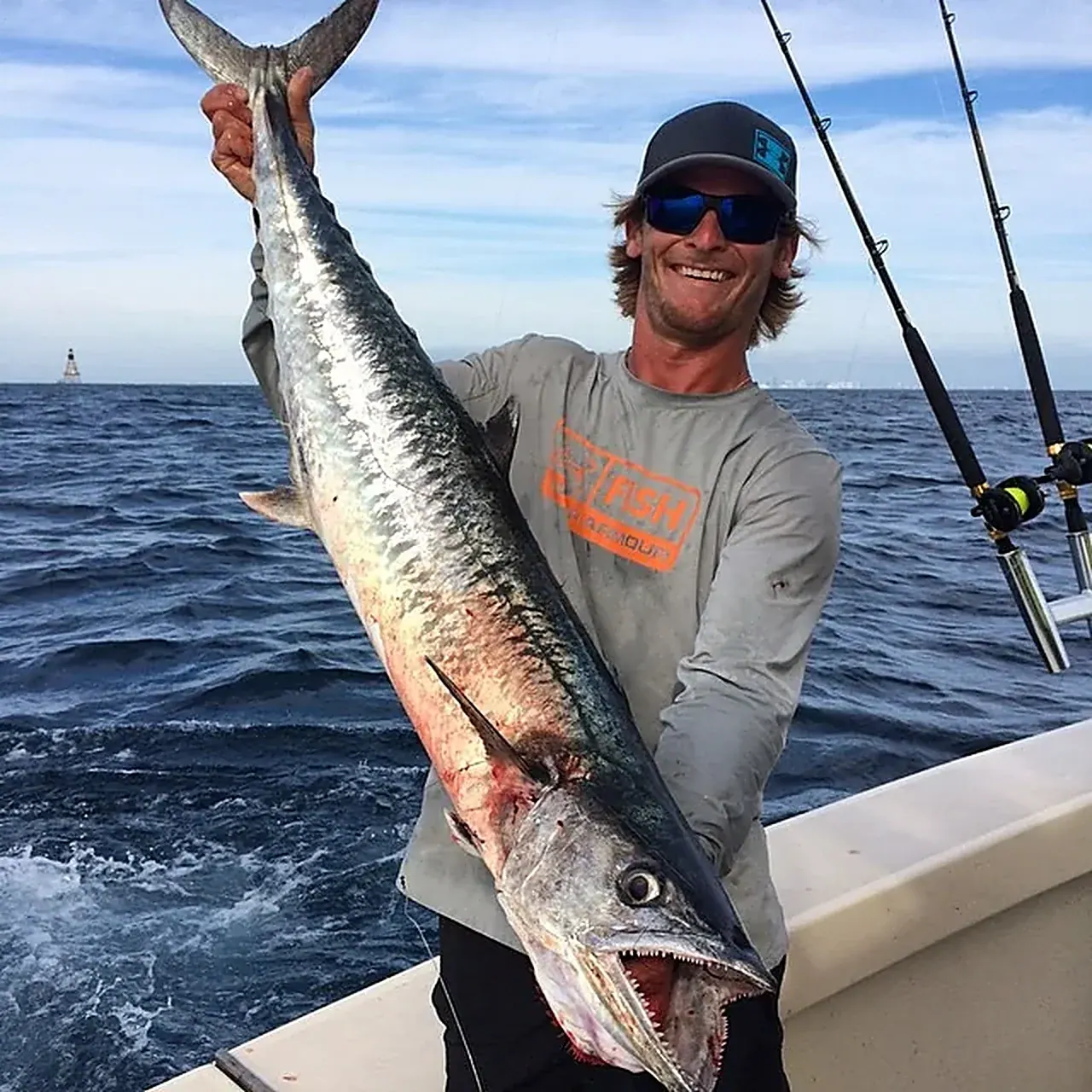
Kings are shy on surface baits while trolling. The ballyhoo and feathers running off the outriggers are more for tuna and mahi, and you cannot put out a dolphin spread and expect kingfish from it. Our trolled kings come almost exclusively off the planers, down in the water column, which is also how commercial fishermen target them. On our planer rigs we run 50-80 lb mono leader with a ball-bearing swivel to prevent line twist. Drone spoons matched to the water color are deadly, and so are strip baits cut from bonito. But when we live bait for kings, we opt for wire or titanium leader. We catch plenty of kings on mono with circle hooks, but we attribute these more to luck than skill. Work structure and watch the sonar. With a good transducer you can mark the bait schools and often the kings themselves. When you get a bite, circle the area. Kings often school, and one bite may mean there are more fish in a small area.
Kingfish are sloppy eaters. They slash at baits at full speed, miss often, and frequently cut a live bait clean in half. On a flat line or a bottom rod, many of our kings come snagged rather than mouth-hooked, so a treble stinger with light drag works there. On the kite we run circle hooks, since the spread has to stay ready for sailfish and everything else, and a kite king usually eats the bait properly. When hooked in the mouth on a circle hook, we usually fight them normally.
Kite Fishing for Big Kingfish
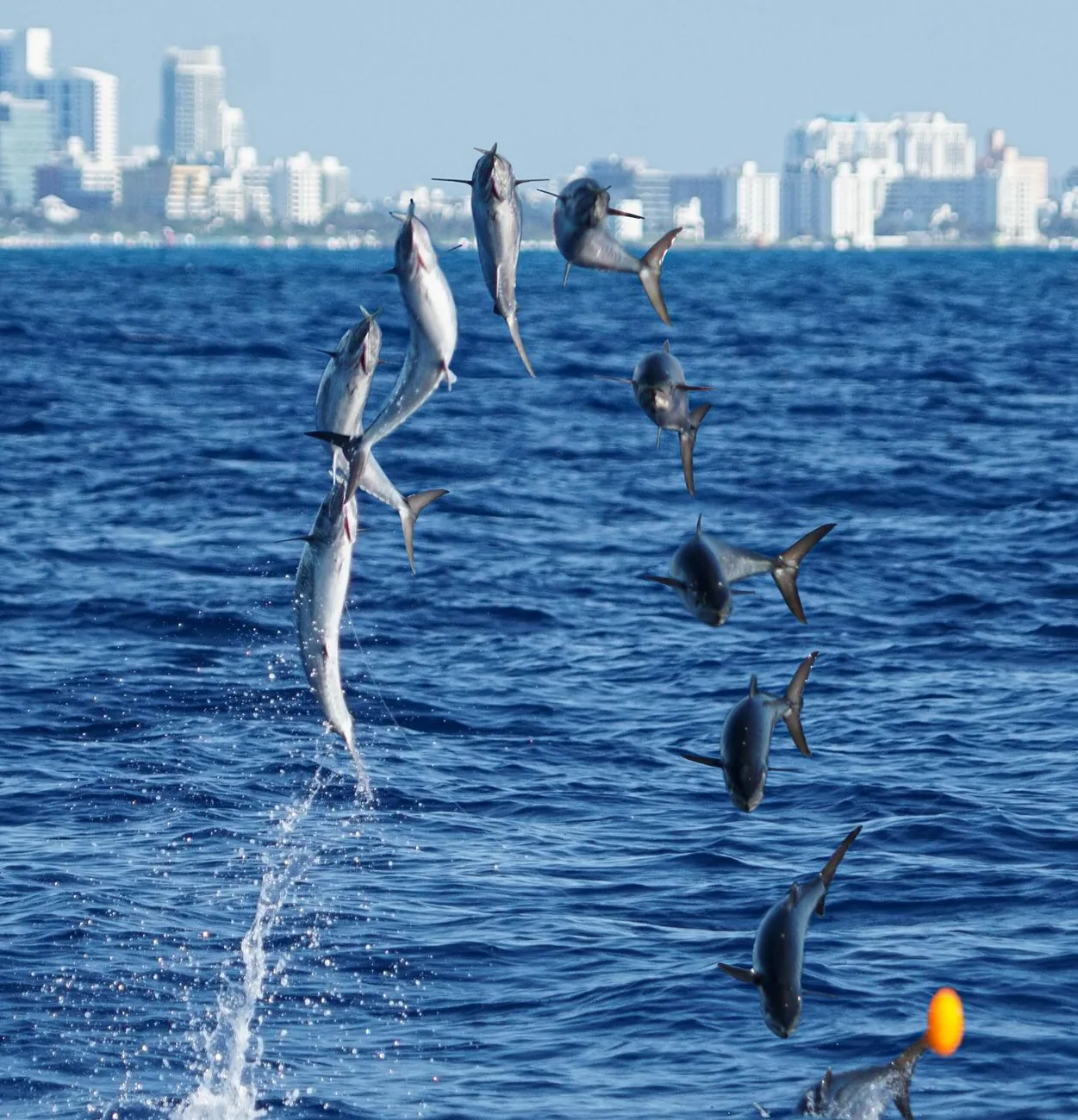
Our kingfish techniques are mapped to the size of the fish we’re targeting and the time of year. The planers produce our numbers, and we rarely catch a king over 20 lb on them. The big smokers, roughly 20 to 50 lb, usually come kite fishing with live bait. Goggle eyes are the best overall bait for kings, especially if you are kite fishing, but herring work great as well and can be better on flat lines or mid rods. Big runners, speedos, and tinker mackerel are also popular if you are going for a tournament-winning smoker. Timing matters more on the kite than anywhere else: the dawn and dusk windows are where the smokers eat, while the planer bite holds up through the day. The biggest kings we catch are usually landed in the early morning or late evening. We had one week on the Double Threat where we caught a 48 and 50 pounder within a few days of each other while kite fishing.
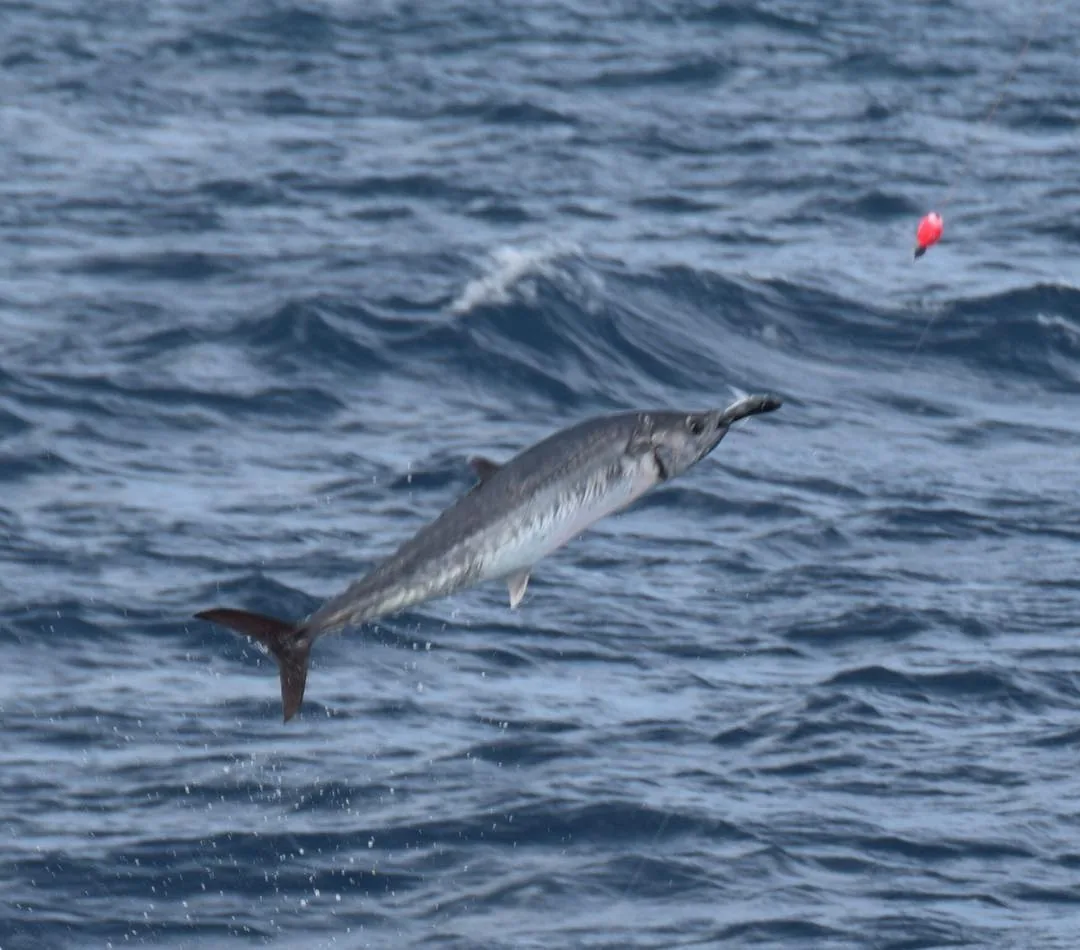
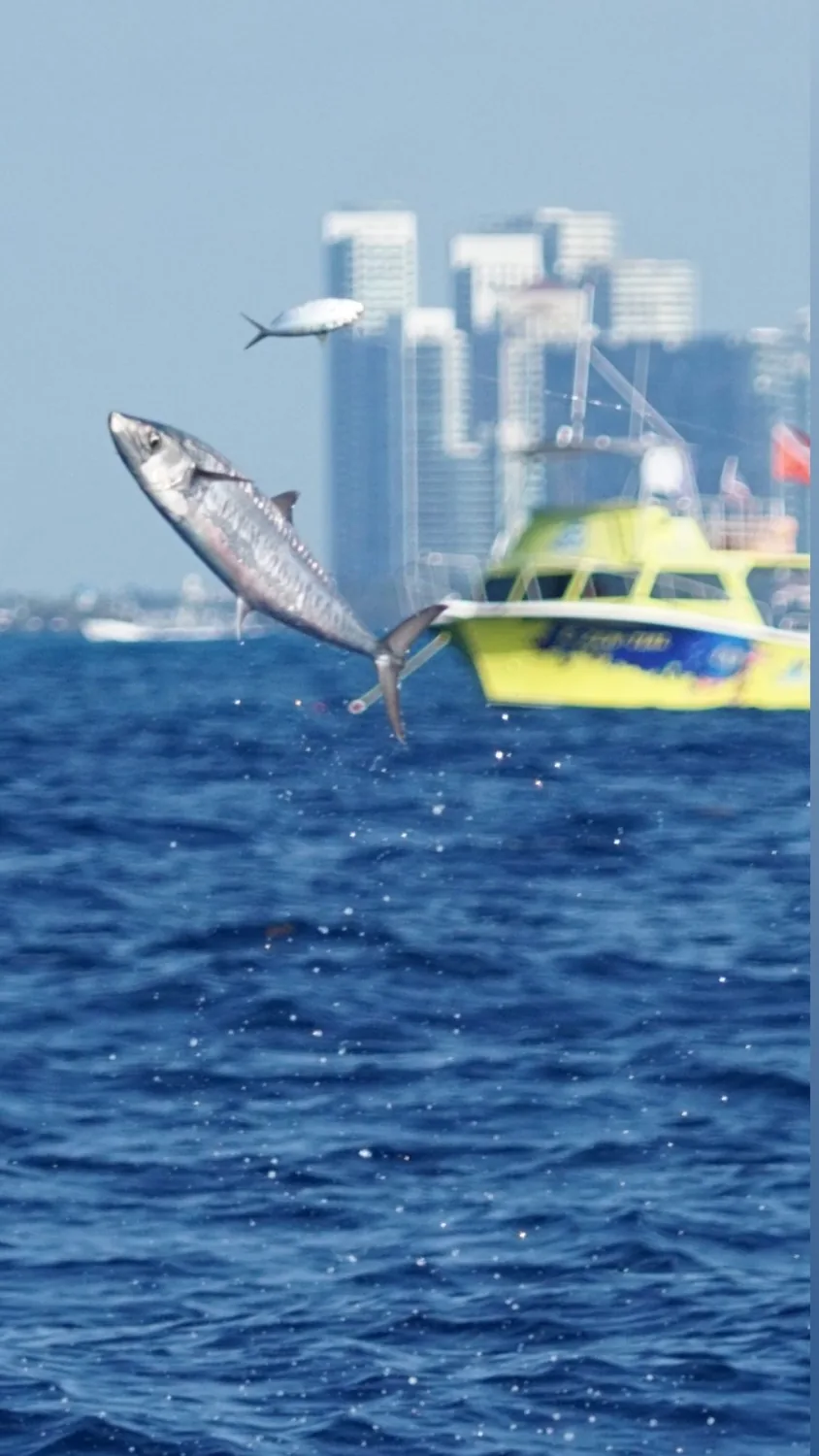
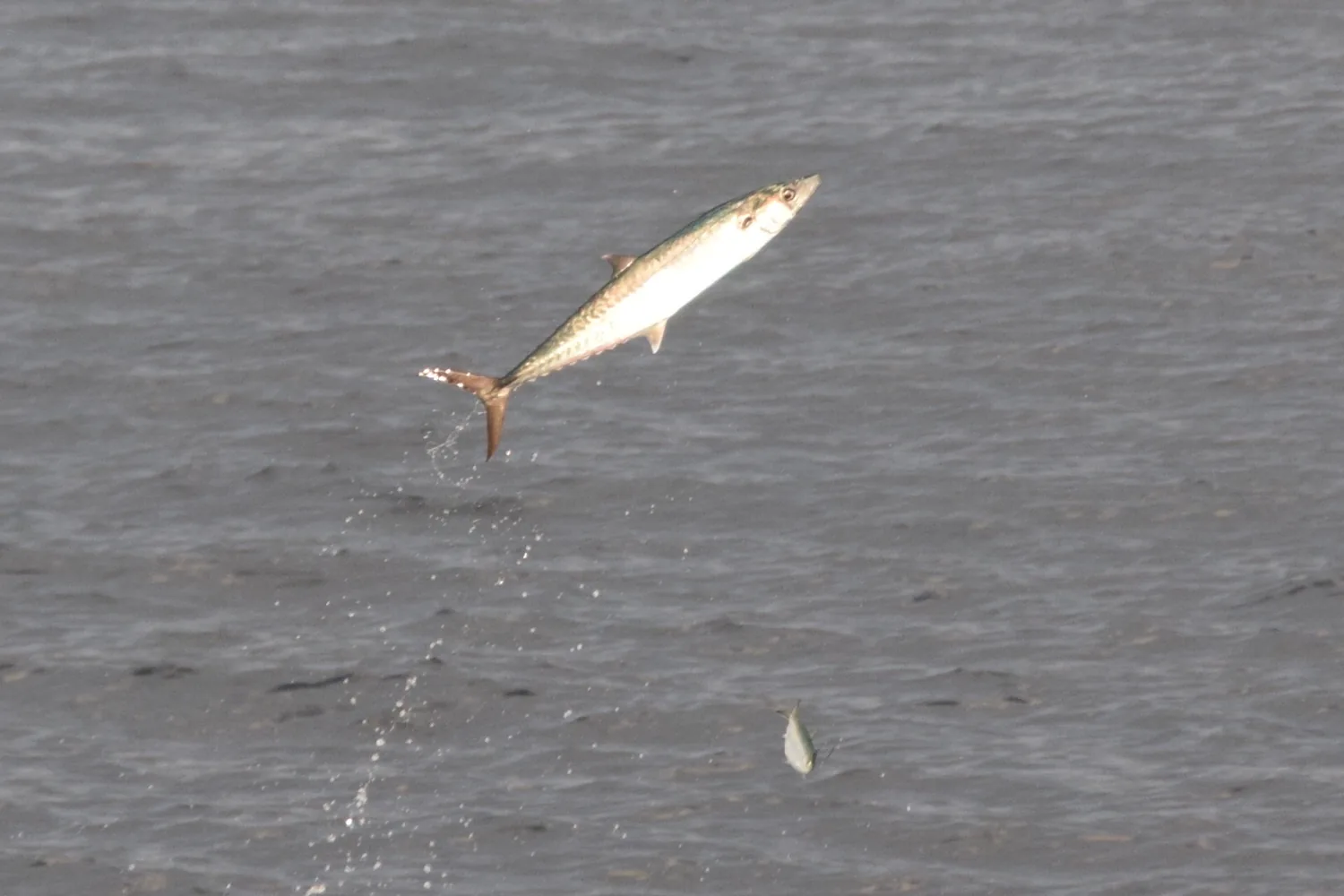
Kings love airing out on a kite bait, and a big one looks like a missile shooting out of the water. They have a tendency to miss, so a fish will sometimes launch two or three times before it gets the bait. If one cuts your live bait in half, let the chunk sink. They often come back for it. On the table, kingfish run a little oily. The small ones are good eating in general, and the big ones are better smoked.