Target Species

Miami has one of the most diverse inshore and offshore sportfishing ecosystems on the planet, and this page covers everything from billfish and open-water pelagics to the baitfish we use to catch them. It is one of the most comprehensive guides to South Florida’s fish species and how to target them, and it keeps growing as we add to it.

Billfish

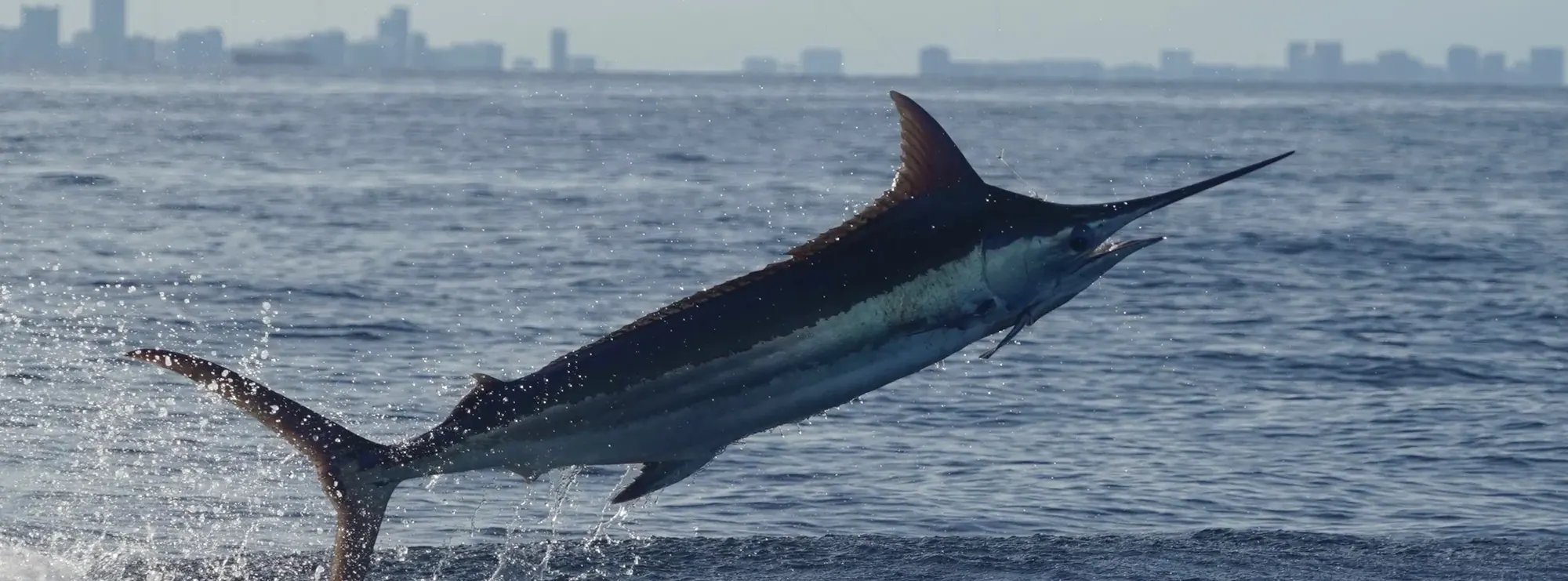
Billfish are the headline of South Florida sportfishing, with sailfish being the primary target from November through May, though fish can show as early as October and hang around into June. Swordfish can be caught year-round on designated sword trips while deep dropping. Marlin are always a possibility while trolling or kite fishing, but overall they are quite rare off Miami.

Blue Marlin

Rare offshore encounter, usually caught trolling.

Sailfish

Iconic Atlantic billfish, usually targeted by kite fishing.

Swordfish

Deep-water gamefish, caught during the day and at night.

White Marlin

Rare spring visitor, usually caught on the troll or kite.

Open Water Pelagics

These are the blue-water fish we run offshore to find, following current rips, weed lines, and working birds out toward the Gulf Stream. Tunas, dolphin, and wahoo move with the seasons and the bait, so finding the right water is half the game. These are some of the most migratory fish we target, swimming through one day and a hundred miles away the next.

Blackfin Tuna

Spring migratory tuna, caught on light tackle with live bait.

Bluefin Tuna

Very rare spring visitor that requires heavy tackle.

Mahi-Mahi (Dolphin)

Fast offshore schooler, caught around weed lines and birds.

Skipjack Tuna

Open-water schooling tuna, usually caught while trolling.

Wahoo

Fast offshore fish, caught on the troll and off the planers.

Yellowfin Tuna

Uncommon spring visitor, more abundant in the Bahamas.

Coastal Pelagics

Coastal pelagics are the migratory fish we catch along the drop-off and the patch reefs, usually closer to shore than the true blue-water pelagics. We frequently catch them on the drop-off in 50 to 300 feet of water. Tripletail are the odd one out, but we had to put them somewhere.

African Pompano

Reef and wreck fish to about 300 feet, usually caught on jigs or live bait.

Amberjack

Strong wreck fish, caught with live or dead bait near structure.

Barracuda

Reef and flats fish, caught on lures and live bait with a wire leader.

Bonita (Little Tunny)

Common schooling fish, caught while trolling or on light tackle.

Cero Mackerel

Tasty patch reef fish, usually caught on light tackle with live bait.

Cobia

Winter and spring visitor, usually caught bottom fishing.

Kingfish

Popular gamefish, usually caught with live bait on a wire leader or while planer fishing.

Tripletail

Surface fish usually found near floating debris, caught by sight-casting.

Sharks

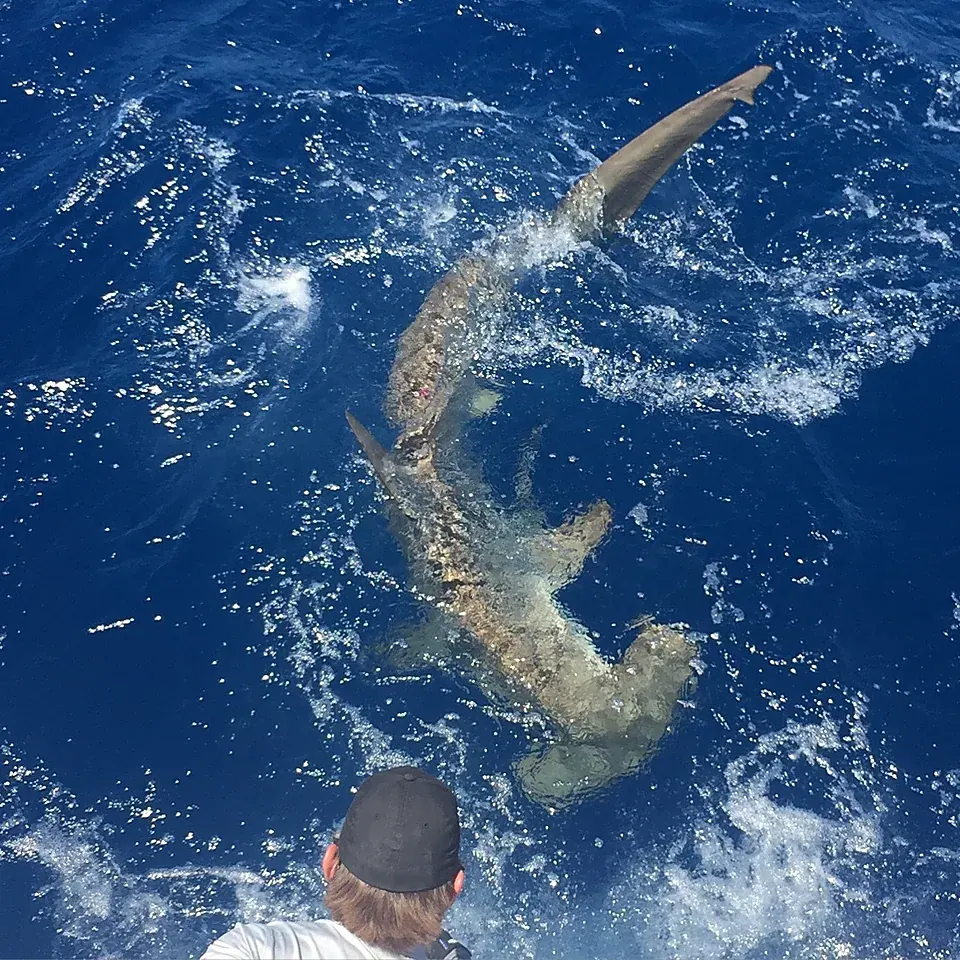
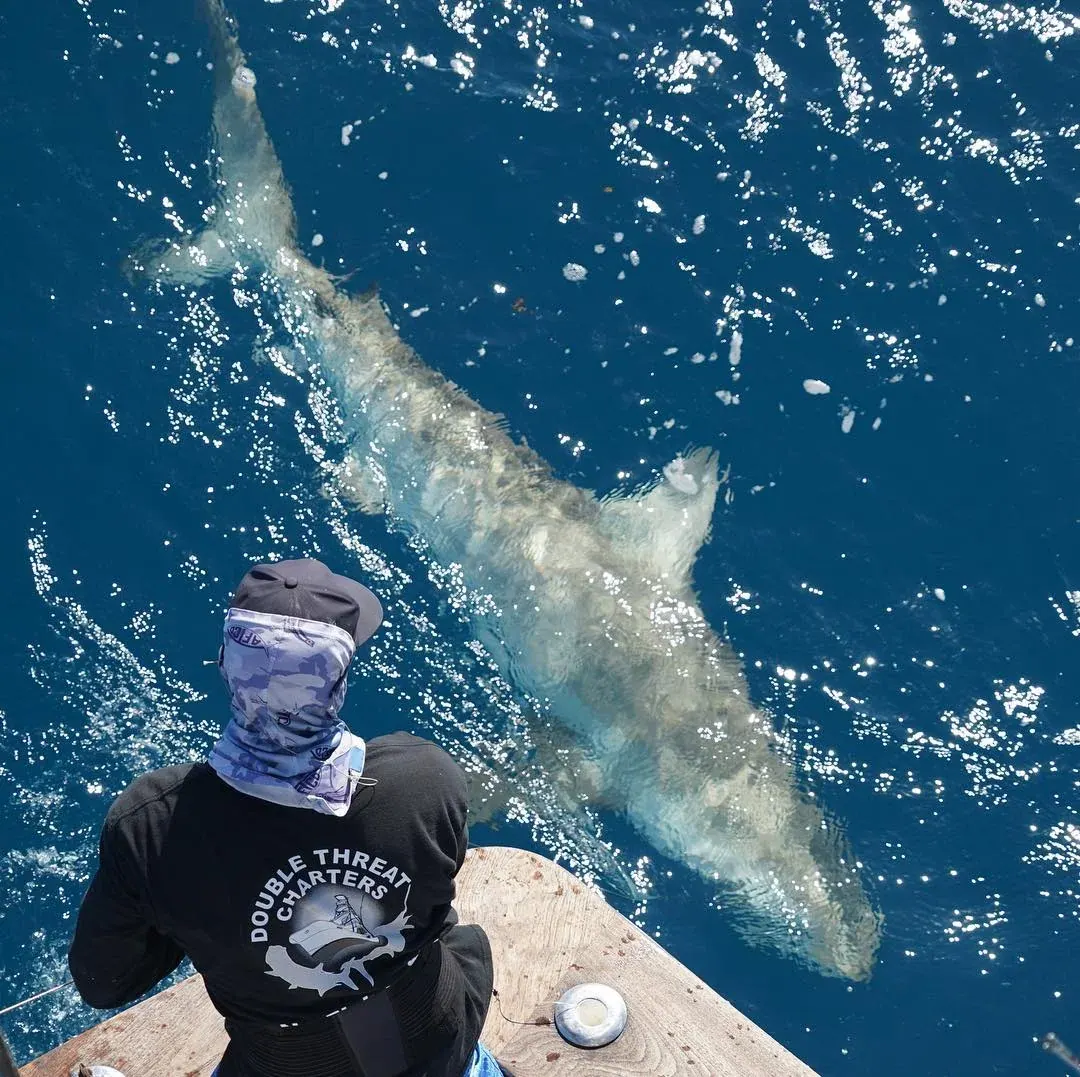
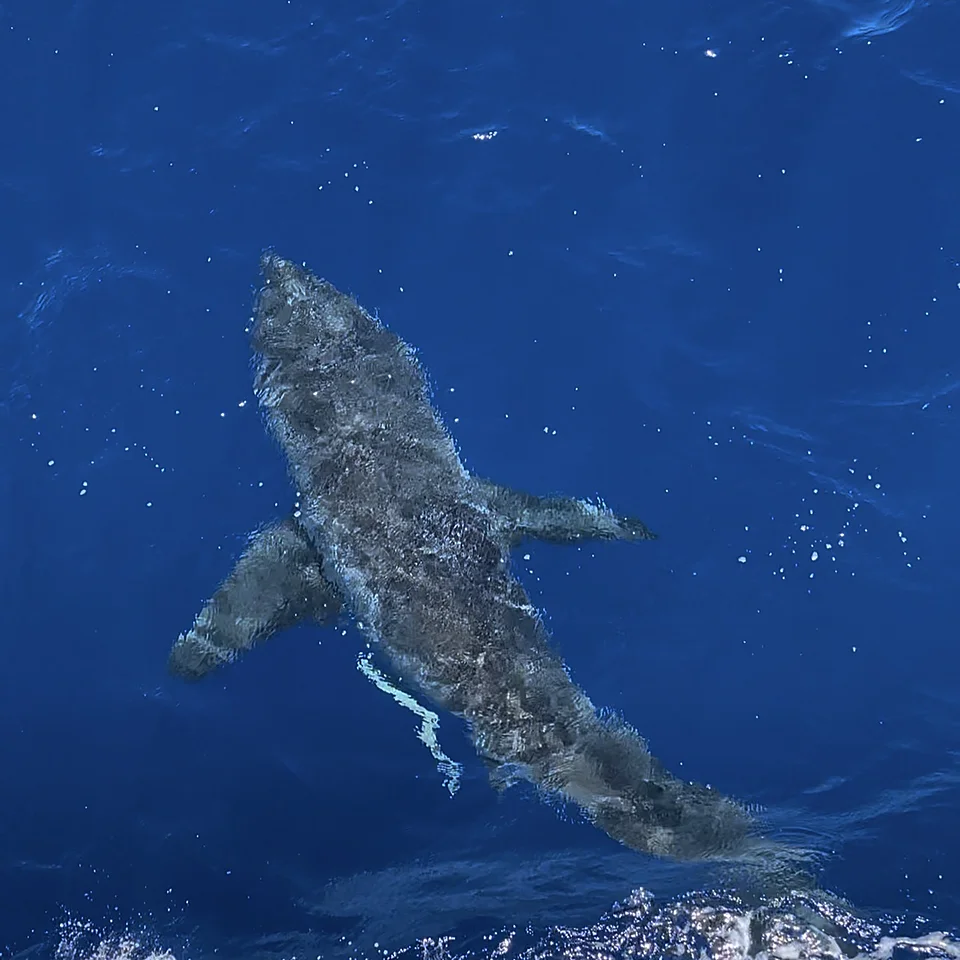
Sharks are an exciting possibility and a potential nuisance that may eat your fish of the day on any trip. South Florida has one of the most diverse shark populations on the planet, with dozens of shark species caught in our waters. From blacktips in the bay to hammerheads in the Gulf Stream, there is more than enough variety to keep things interesting.
Read more →

Bottom Fish

These are the species that live on the wrecks, reefs, and structure offshore. They are also some of the hardest fighting and best eating fish we bring to the dock.

Black Grouper

Wreck and reef fish, caught on heavy tackle near structure.

Cubera Snapper

Large deep-wreck snapper, usually caught at night on heavy tackle.

Goliath Grouper

Protected giant, occasionally caught and released off Miami.

Mangrove (Grey) Snapper

Inshore and reef snapper, caught on light tackle while chumming.

Mutton Snapper

Versatile coastal snapper caught from the flats to the wrecks.

Red Grouper

Smaller reef grouper, usually caught on jigs and bottom baits.

Red Snapper

Deep-wreck snapper with regulated seasons, caught on the bottom. Rare off Miami.

Yellowtail Snapper

Schooling reef snapper, caught on light tackle with chum while anchored on the reef.

Deep Drop

Deep-drop fish live in the dark, cold water from roughly 250 feet down to well over a thousand, on rocky ledges and mud bottom most boats never fish. It is a technical, sounder-dependent style: you find the structure, send baits a long way down, and bring up fish that almost never see a hook. The reward is some of the finest eating in the ocean, from golden tilefish to vermillion snapper.

Blackbelly Rosefish

Deep-drop fish from 750 to 1,200 feet, caught on the bottom near structure.

Golden Tilefish

Deep-drop fish over mud bottom, caught from 550 to 900 feet.

Pomfret

Uncommon deep-drop fish, sometimes caught while swordfishing.

Snowy Grouper

Deep-drop grouper from 350 to 650 feet, found near structure or wrecks.

Vermillion Snapper

Deep-drop snapper from 250 to 400 feet, caught on deep reefs.

Yellow-eye Snapper

Deep-drop snapper from 250 to 600 feet, caught on deeper reefs and ledges.

Inshore / Backcountry

Inshore and backcountry fishing happens in the bay, the flats, the inlets, and the mangrove creeks, on light tackle and often within sight of the city. Miami is home to the big three: tarpon, bonefish, and permit, among the most sought-after gamefish in saltwater. Miami also hosts a healthy population of snook, seatrout, jacks, sharks, and more. Mutton snapper, mangrove snapper, and grouper can also be caught inshore in addition to on the reef.

Bonefish

Highly sought-after shallow-water flats fish, usually caught by sight-casting on light tackle.

Jack Crevalle

Inshore schooling fish, caught on lures and live bait.

Permit

Coveted flats and wreck fish, usually caught with crabs or jigs.

Redfish

Shallow-flats fish, caught on light tackle. Rare in Biscayne Bay.

Snook

Inshore structure-oriented gamefish, usually caught around mangroves and inlets.

Spotted Seatrout

Grass-flats fish, often caught on light tackle.

Tarpon

Large migratory inshore fish, caught around the inlets and beaches at night.

Baitfish

Miami is one of the most live-bait-focused fisheries in the world. We take our bait seriously, and we understand how important each one of these species is to our success.

Ballyhoo

A reef and channel baitfish, caught by chumming and cast netting.

Goggle Eye

A reef baitfish caught at night, popular bait for kite fishing.

Pilchards

A flats and reef baitfish, used for live chum and flatlines.

Threadfin Herring

A migratory coastal baitfish, great for kite fishing and flatlines.

Freshwater

Miami has a freshwater fishery unlike anywhere else in the country, with exotic species living in the urban canals and lakes. We are not currently running freshwater trips, but these fish are worth reading about, and the pages stay up for anyone curious about what swims in Miami’s fresh water.

Clown Knifefish

Invasive freshwater fish found in Miami's canals.

Largemouth Bass

Native freshwater fish found in Miami's urban canals and lakes.

Peacock Bass

Exotic and invasive freshwater fish found in Miami's urban canals.

Ready to fish?

Lock in your trip in a couple of minutes, or call the crew with any questions.